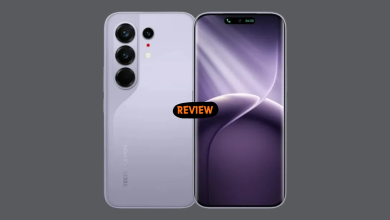
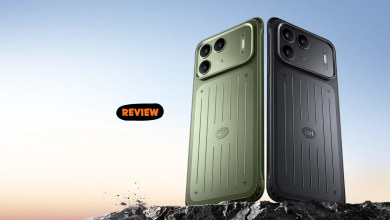
Same brand. Same generation. Both ultra-flagship tier. And honestly? These two share way more than the marketing wants you to notice.
So instead of going category by category pretending every section is a fresh fight, let’s just be honest about it: figure out what’s actually identical first, then zero in on the two places they genuinely split.
Underneath, this is basically the same phone
Same Snapdragon 8 Elite Gen 5. Same Android 16, HyperOS 3. Nearly the same 6.9-inch AMOLED panel. And it shows, daily performance on both is extremely strong, app launches, multitasking, general responsiveness, all of it. Speed tests against the iPhone 17 and OnePlus 15 back this up too, both Xiaomi phones hold their own, and it’s not just a first-week thing either, the consistency sticks around.
Gaming’s the same story. Ultra runs Genshin Impact, Wuthering Waves, CODM, PUBG Mobile smoothly. Pro Max handles GTA V, Valorant Mobile, Fortnite, Asphalt Legends just as well. If anything the Pro Max edges ahead slightly in long sessions, its thermal tuning just holds up a touch better over time. But that’s a nudge, not a real gap. Nobody’s losing here.
Build quality, close too. Both glass and aluminum. Both feel genuinely premium in hand. Ultra’s a bit more aggressive, more “look at me.” Pro Max is calmer, more relaxed. That’s texture. Not quality.
Where they actually split, part one: what the camera is even trying to do
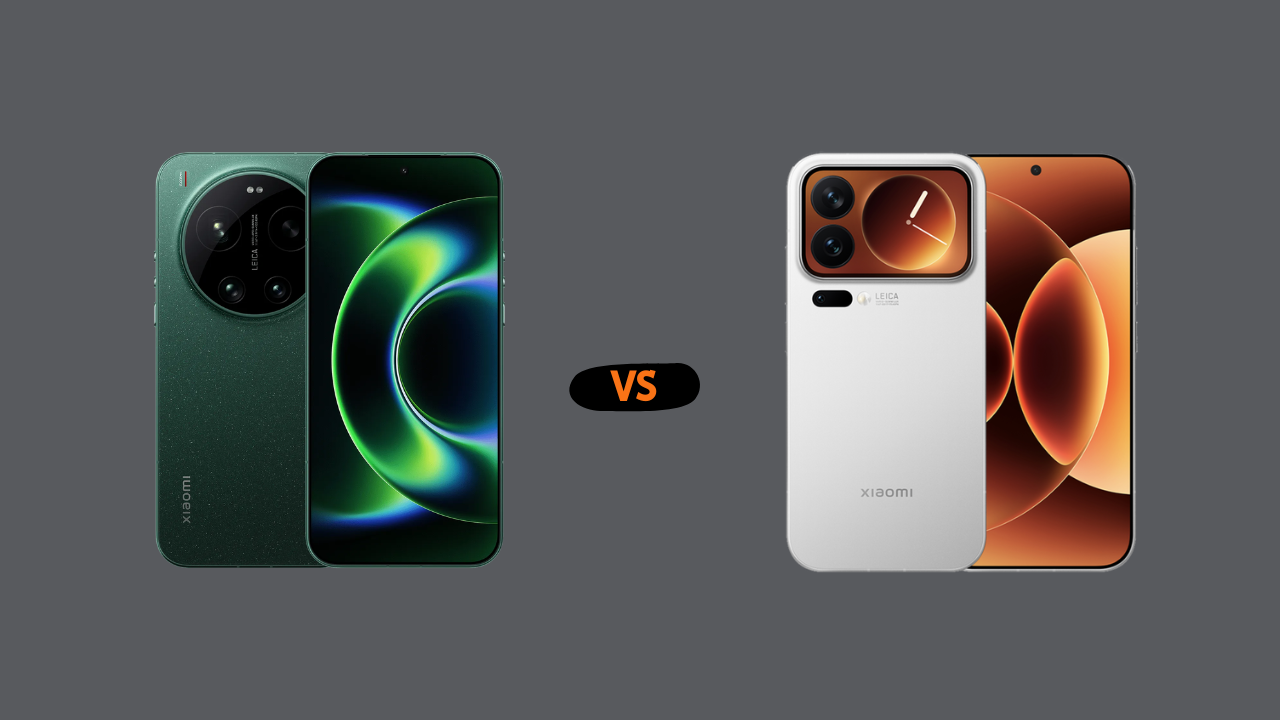
This is the real fork. Ultra’s camera, 50MP main with a 1-inch sensor, 200MP periscope zoom, 50MP front camera, is built for someone who shoots constantly and wants to push detail hard, especially at range. Zoom and night shots are genuinely the standout here, and what matters most isn’t any single great photo, it’s that you can predict what you’ll get every time. That consistency is the whole point if you’re actually working with this camera day to day.
Pro Max goes a different direction entirely. Triple camera, 5x optical, 32MP front. Natural color, balanced exposure, reliable everyday shots. Not chasing extreme detail or reach, just trying to make sure a casual photo comes out good without you thinking about it.
Neither one’s “better,” not really. One’s built for people who treat the camera like a tool. The other’s built for people who just want good photos without carrying capability they’d never touch.
Where they actually split, part two: battery, two different bets
The spec sheet says it plainly. Ultra: 6,000mAh, but fast, 90W wired, 50W wireless. Pro Max: bigger at 7,500mAh, plus that rear display as its signature move. Two answers to the same problem. Ultra bets on quick recovery, good if you top up in short bursts throughout the day. Pro Max bets on raw capacity plus an extra bit of function, good if you’d rather charge less and glance at notifications without unlocking anything.
So who actually wins?
Neither, honestly, not in the scoreboard sense. These phones aren’t really fighting on the same axis. If your day revolves around photography or content, and you’d genuinely use a 200MP zoom lens, the Ultra’s whole design logic exists for you, and the Pro Max would start to feel like a ceiling you keep bumping your head on. If you just want a comfortable, reliable flagship where the camera only needs to be good, not exceptional, and you’d rather have more battery and that rear display than the most advanced zoom money can buy, the Pro Max is the easier daily companion.
The real question was never which phone is stronger. It’s which fork actually matches how you live with a phone, camera ambition, or battery and comfort.