Samsung’s FE phones have always had a weird, kind of likeable spot in the lineup. They’re not trying to be the Ultra, never have been. The whole point is taking what makes the flagship good and cutting the price down, and the S25 FE follows that same script.
I made it my daily driver for a month. Pretty quickly I noticed it wasn’t chasing one big “wow” feature, no gimmick to sell you on. It’s just decent at the stuff you actually do with a phone all day: texting, scrolling, the occasional photo, not thinking about your battery at 4pm.
That last part is what actually matters once the unboxing excitement wears off and it’s just… your phone.
I’d just come off reviewing the Samsung Galaxy A17, so I was curious how big a jump the S25 FE would feel like stepping up. Some of what I found matched what I expected going in. Some of it didn’t.
Here’s what surprised me most after a month with it.
This isn’t an S25 Ultra rival, and it was never meant to be. It’s for the person who upgrades every three or four years, wants a camera they can trust without thinking about it, watches a lot of video, plays games sometimes rather than religiously, and cares more about years of software updates than chasing the newest chip. A phone for people living their lives, not people comparing spec sheets for fun. Judging it against the Ultra is the wrong way to look at it.
The screen is the reason I kept picking it up
Of everything on this phone, the display is what actually surprised me, not because of a headline spec, but because I stopped noticing it, which for a screen is the highest compliment there is.
It’s a 6.7-inch AMOLED at 120Hz, bright enough to hold up outdoors most of the time. Reading was comfortable. Video looked rich without veering into cartoonish colors. Scrolling felt smooth everywhere, from social apps to plain web browsing. Outdoors, I rarely struggled to read a notification or follow turn-by-turn directions, even in direct sun. Could Samsung have pushed brightness further? Sure. Did I ever need it to? Not really.
Build quality doesn’t feel like the budget seat
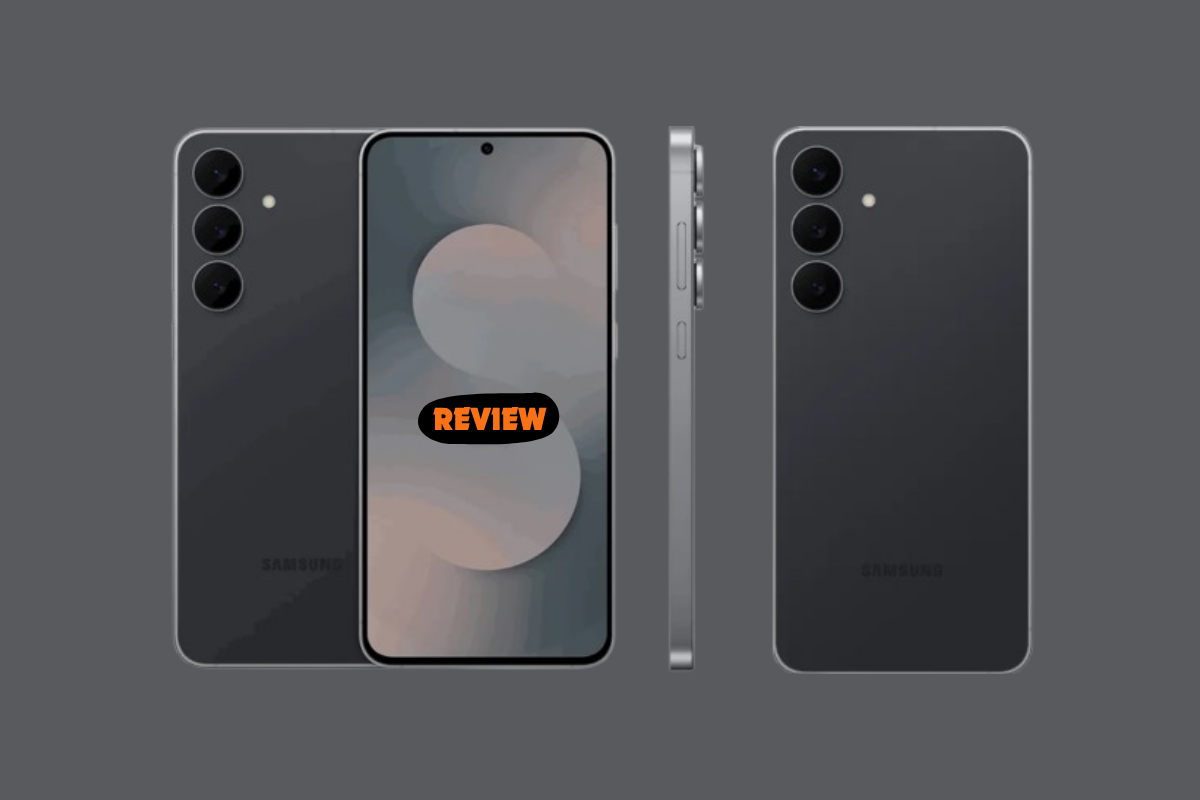
Samsung didn’t cut obvious corners just because this is the cheaper model. The aluminum frame feels solid, the phone has real weight to it without being uncomfortable, and the fit and finish is what I’d expect from a Galaxy phone, full stop.
Weeks in, it held up fine through long stretches of use too, scrolling Reddit, answering emails, reading, watching YouTube in bed. The size never got in the way. The design is also refreshingly low-key, no weird camera bump, no flashy finish chasing attention, just clean and recognizably Samsung. It’s not as luxurious as the Ultra. But it never feels cheap either.
The camera outperforms what the spec sheet suggests
On paper: a 50MP main camera, a 12MP ultrawide, and an 8MP telephoto with 3x optical zoom. Nothing that jumps off the page next to flagship competitors. In practice, this is one of the better reasons to buy the phone.
Samsung clearly isn’t chasing oversaturated, Instagram-filter colors here, daytime shots came out sharp, detailed, and natural enough that I didn’t feel any urge to edit before sharing. Portraits held up well too, with reliable subject separation and skin tones that looked like actual skin rather than the smoothed-out plastic look some phones default to. Low light is, predictably, the harder test, but the camera still pulled usable shots without blowing out every dark scene into an unnatural glow. Video held up similarly, stabilization did its job, and footage stayed watchable whether it was a quick clip or something longer.
If you want Samsung’s best camera, the Ultra still wins that fight. But for day-to-day photography, this consistently delivered shots I was happy with.
You stop checking the battery percentage, and that’s the whole review
A 4,900mAh battery, 45W wired charging, and wireless charging on top, solid numbers for the price. But the real surprise wasn’t the spec sheet, it was how quickly I stopped checking the battery percentage altogether.
A normal day, messaging, social apps, YouTube, music, navigation, the occasional gaming session, never put me in a position where I was hunting for an outlet before getting home. That’s the actual bar most people are measuring against. Not a record-setting number, just enough juice that you stop thinking about it. When it is time to top up, the 45W charging makes a quick session before heading out genuinely practical, even if it’s not the fastest in its price bracket.
Day-to-day speed holds up better than the benchmarks suggest
Living with a phone daily makes benchmark numbers feel almost irrelevant, and that’s exactly what happened here. Apps open fast, switching between several at once doesn’t introduce lag, and scrolling stays smooth even hours into a session.
What stood out more than raw speed was consistency. Some phones feel snappy out of the box and start dragging once they’re actually loaded up with apps, photos, and the general mess of daily use. That never happened here, performance stayed exactly where it started, even weeks in.
Gaming follows the same pattern. Under the hood it’s Samsung’s Exynos 2400 with Xclipse graphics, which is more than enough for casual-to-moderate play. I spent most of my testing time in PUBG Mobile, Call of Duty: Mobile, Asphalt Legends Unite, and Genshin Impact, and the phone handled all four without complaint, frame rates held steady, and I rarely felt the hardware straining. It does warm up during longer sessions, like most phones in this range, but never to the point of being distracting. If competitive mobile gaming is the whole point for you, there are phones built specifically for that. For everyone else, there’s plenty of headroom here.
One UI gets out of your way, which is rarer than it should be
Software shapes the day-to-day feel of a phone more than people give it credit for, and One UI on the S25 FE held up well over several weeks. Apps launched fast, switching between tasks felt instant, and the interface never made me feel like I was waiting on it, even juggling multiple apps back to back.
Samsung’s customization options are still here too, as deep or as light-touch as you want to go. There’s a handful of AI features baked in; some I actually used, others I forgot existed within a week. The bigger win was consistency, eventually you stop thinking about the software at all, same as the screen. That’s usually the sign something’s working.
The corners Samsung actually cut
Charging speed lags behind some competitors at this price. Serious gamers will still want more dedicated hardware. Camera gains over the previous generation are incremental rather than dramatic, and the Ultra still wins outright on zoom and low-light performance. None of these are surprising for a phone built to hit a lower price point, but worth knowing going in.
Price in Nigeria
As of June 2026, the Samsung Galaxy S25 FE is available in Nigeria for around ₦900,000 – ₦1,200,000, depending on storage variant and where you buy.
| Retailer | Price Range | Notes |
|---|---|---|
| Jumia | ₦1,100,000 | Official store, warranty included |
| JustFones | ₦900,000 | Physical store in Lagos |
| Pointek | ₦1,043,830.00 | Online and in-store, Lagos-based with nationwide delivery |
Is it worth buying in 2026?
Honestly? Yeah. Not because it does any one thing better than everything else out there, it doesn’t. It works because Samsung wasn’t trying to win a spec-sheet argument here. They just paid attention to the stuff you actually run into every day, a screen you don’t have to squint at, a camera that doesn’t need babysitting, a battery that stops being a thing you think about, software that gets out of your way instead of demanding attention. None of that sounds impressive written out like that. Live with it for a month, though, and it adds up to something that just feels right.
Coming from an older Galaxy, or honestly any aging Android phone? You’ll feel the jump immediately, no question. Already carrying a recent flagship? Probably not enough here to justify jumping ship. But if you’re sitting somewhere in between those two, this is genuinely one of the smarter buys out there this year.
Bottom line: it handles the popular mobile games fine, the camera holds up for everyday shots without you fussing over edits afterward, and a normal day won’t leave you hunting for an outlet halfway through. Students, people who just need a reliable work phone, casual gamers, anyone stepping up from something older, you’ll probably be happy here.
What actually stuck with me after a month wasn’t some standout feature. It was just… how consistently good the whole thing felt. Not the fastest phone around. Doesn’t have Samsung’s best camera. Not trying to be the Ultra. What you get instead is something plenty of people will end up valuing more: a phone that just works, day in and day out, without ever making you think about where it’s cutting corners.