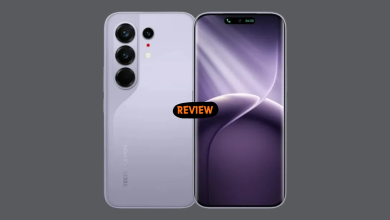
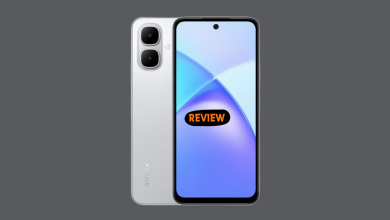
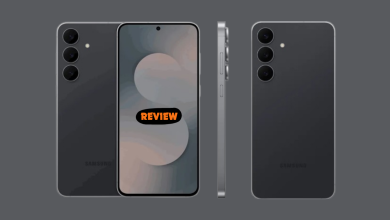
Samsung is promising six years of software updates on the Galaxy A17. That’s an unusual thing to lead within a budget phone, but it’s actually the most honest way to frame this phone, because almost everything else about it makes more sense once you stop judging it against this week’s benchmarks and start judging it against “will this still be worth using in 2030.”
Here’s what that longevity promise is actually worth, and where it doesn’t cover for the phone’s real limits.
The display already looks like it belongs on a more expensive phone
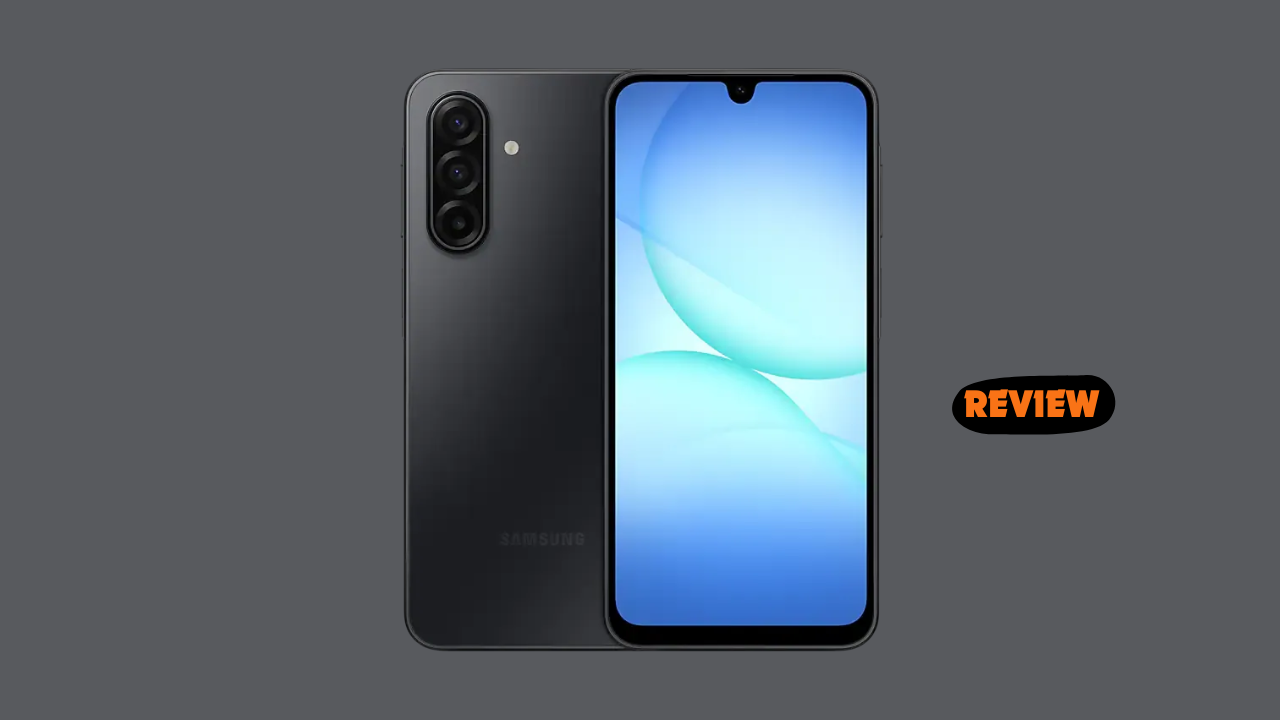
Whatever Samsung spent its budget on here, it clearly prioritized the screen. The 6.7-inch Super AMOLED panel delivers vibrant colors, genuinely deep blacks, and smooth scrolling at 90Hz, and Full HD+ resolution keeps text sharp and video clear. Outdoors it holds up decently, though direct sunlight still pushes you toward max brightness. For daily media consumption, this feels closer to a premium-lite experience than a budget one, and unlike a chipset, a good screen doesn’t really “age” the way processing power does. That matters for the six-year pitch: this is a part of the phone that’s likely to still feel fine long after the internals start to strain.
Everyday performance holds up now. Whether it holds up in year five is a fair question
Powered by a midrange chipset with up to 8GB of RAM, the A17 handles WhatsApp, Instagram, and YouTube smoothly today, with light multitasking staying mostly stable. It’s not a performance phone though, and that shows in small ways even now: heavier apps open with a slight delay, background apps occasionally reload, and things get less smooth under real pressure.
That’s worth sitting with, because a six-year software commitment doesn’t upgrade the chip underneath it. Updates will keep this phone secure and running current Android versions, but the hardware ceiling you feel today is roughly the ceiling you’ll still be working with years from now, just with more demanding apps trying to run on it.
Gaming makes the same point more sharply. Light titles like Free Fire and Subway Surfers run fine at medium or low settings, but heavier games bring frame drops, heat, and inconsistent performance during longer sessions. This was never meant to be a gaming phone, and buying it for that reason will only get more frustrating as game requirements climb over the phone’s long support window.
The camera is dependable in daylight, and that’s unlikely to change either way
A 50MP main sensor with ultrawide and macro delivers sharp, socially-ready daylight shots with natural, balanced color and decent dynamic range. Selfies work fine for daily use too, with occasional over-processing on skin tones. Low light is the clear weak point: noise creeps in fast, detail drops, and sharpness falls apart without good lighting.
This is a fixed hardware limitation, not something six years of software updates will meaningfully improve. If you’re buying this phone expecting a slowly improving camera experience, don’t. What you get on day one in good and bad lighting is roughly what you’ll have on day two thousand.
Battery is strong today and likely to stay reasonably strong
The 5,000mAh battery comfortably covers a full day of normal use, with light users stretching into a second day. Samsung’s software optimization deserves some credit here, and that’s actually a place where ongoing updates can help rather than just maintain, since battery management often improves incrementally across a phone’s software lifetime. The tradeoff is charging speed, which is only average and noticeably slower than fast-charging rivals; patience is part of the deal here, on day one and probably still in year four.
The actual reason to buy this over a faster rival
Here’s where the six-year promise earns its place as the headline. One UI on Android 15 feels clean and stable now, and Samsung’s long-term update commitment means this phone should keep receiving security patches and OS updates well past the point where most budget competitors have been abandoned by their manufacturers. That’s not a flashy feature, but it’s the kind of thing that quietly determines whether a phone is still safe and usable in year four, or a security liability you’re forced to replace early.
Price in Nigeria
As of May 2026, the Samsung Galaxy A17 is available in Nigeria for around ₦230,000 – ₦350,000, depending on storage variant and where you buy.
| Retailer | Price Range | Notes |
|---|---|---|
| Jumia | ₦299,999 | Official store, warranty included |
| Konga | ₦238,000 | Online and in-store in Nigeria, nationwide delivery |
So, worth buying?
If you want a phone you can buy once and reasonably expect to still be receiving updates on years from now, and your actual daily needs are social media, communication, and media consumption rather than gaming or serious photography, the Galaxy A17 is a genuinely smart long-term pick, not just a decent phone for right now.
If you’re chasing performance headroom or camera quality that improves meaningfully over time, this isn’t that phone, and no amount of software support will change what the hardware simply isn’t built to do.