Early impressions of a phone tell you what excites you in the first ten minutes. A month tells you what you actually rely on.
After living with the Redmi Note 14 Pro for four weeks, social media, gaming, camera, the whole daily grind, here’s what actually mattered, ranked by what actually matters, not by a fixed review checklist.
The thing you notice least is the thing that matters most: it just charges fast and lasts
Battery is the unglamorous backbone of a daily driver, and this is where the Note 14 Pro quietly earns its keep. A full day of browsing, social media, streaming, and light gaming goes by without drama, and more importantly, the drain is predictable. No sudden dips, no erratic behavior, just a steady curve you can plan around. A month in, that consistency hasn’t slipped at all.
Fast charging is the other half of that equation, and it’s arguably the phone’s single best practical feature, quick top-ups mean downtime barely factors into your day. If a phone’s job is to just be there when you need it, this is the part doing the heavy lifting.
The screen is why picking it up feels good every single time
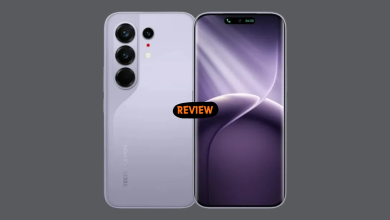
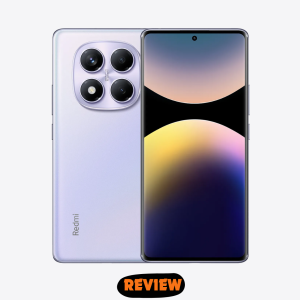
This is the display you’d show someone to make the case for the phone. The curved AMOLED panel delivers sharp visuals, strong contrast, and smooth motion at a high refresh rate, watching, scrolling, browsing all feel fluid and genuinely engaging rather than just functional. Colors are punchy without tipping into cartoonish, and brightness holds up fine outdoors.
A month of daily handling hasn’t dulled the impression at all, if anything, this is the one part of the phone that keeps feeling like a treat rather than a spec you stop noticing.
It behaves the same way at 9am and at 11pm, which is the actual test
The real measure of “daily driver” performance isn’t a benchmark number, it’s whether the phone still feels the same after weeks of accumulated apps, notifications, and normal wear. Here, it does. App switching, browsing, and multitasking stay smooth under everyday conditions without lag or hesitation creeping in over time.
Push it into heavy multitasking or demanding workloads and you feel the ceiling, it prioritizes staying stable over chasing raw power, and it won’t pretend to be a flagship when you push it there. But for the actual rhythm of daily use, that ceiling rarely gets tested.
Gaming tracks the same story. Shorter sessions in PUBG Mobile and Call of Duty Mobile run smoothly with stable frame rates on medium-to-high settings. Longer sessions bring mild performance scaling as the phone manages heat, not aggressive throttling, just a sensible tradeoff for staying stable rather than pushing limits it wasn’t built to sustain. Good for casual-to-moderate gamers, not built for hours-long competitive sessions.
The camera does exactly what a daily-driver camera needs to, and stops there
Daylight shots come out sharp with strong detail and balanced color, and Xiaomi’s processing leans toward making images social-media-ready without heavy manual editing, the kind of camera you point and post from without thinking twice. Portraits hold up well too, with decent edge detection and natural skin tones in good light.
Low light is where it settles into “reasonable, not flagship”, some softness and reduced detail shows up in darker environments. A month of shooting confirms the same read as week one: reliable for everyday photography, not built to compete with camera-first phones after dark.
Build quality holds its first impression, materials aside
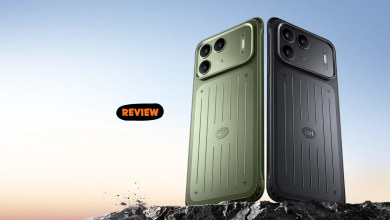
The curved design and camera housing give it a modern identity that hasn’t worn off with weeks of handling, it still feels solid and well-balanced in hand. The one honest asterisk: the frame materials remind you this isn’t a flagship the moment you compare it directly to a glass-and-metal phone. For its price category, though, the design has aged well over a month rather than losing its shine.
Software is the one area that didn’t fully win me over
HyperOS/MIUI is feature-rich and runs smoothly most of the time, but it’s not the cleanest Android experience out there, a few preinstalled apps and system suggestions still feel unnecessary a month in. If you like deep customization, there’s plenty here to work with. If you want something closer to stock Android, this will occasionally annoy you.
Price in Nigeria
As of May 2026, the Redmi Note 14 Pro is available in Nigeria for around ₦300,000 – ₦700,000, depending on storage variant and where you buy.
| Retailer | Price Range | Notes |
|---|---|---|
| Jumia | ₦615,000 | Official store, warranty included |
| Pointek | ₦474,935 | Physical store in Lagos |
The verdict after a month of actually relying on it
What stands out most isn’t any single spec, it’s that the things a daily driver actually needs to nail (battery, charging, screen, day-to-day stability) are exactly the things this phone gets right, consistently, four weeks in. Gaming headroom and low-light camera quality are the honest tradeoffs, and neither is a surprise once you know what this phone is built to prioritize.
If you want a phone that looks good, charges fast, and doesn’t waver in daily use, this earns its keep. If flagship-level gaming or camera performance is the priority, that’s not what this phone is trying to be, and a month of real use only confirms that read.